Is Birdwatching an Expensive Hobby (2026): Honest Answer, $60 to $304
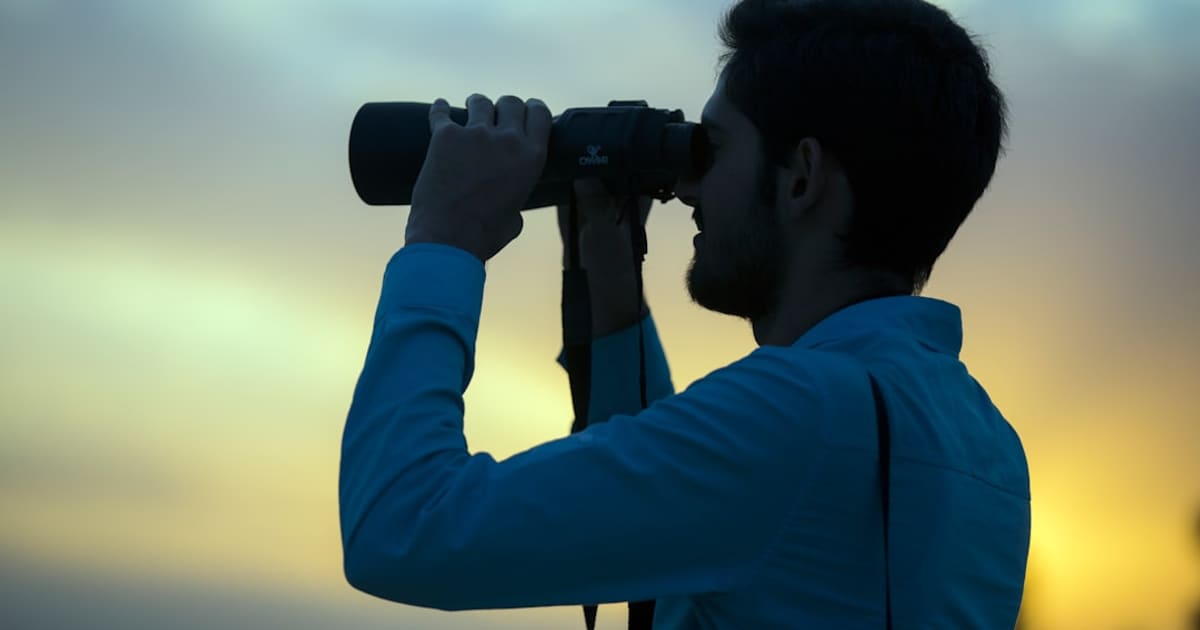
Is birdwatching an expensive hobby in 2026: no, not really. About $304 for the full kit with binoculars, or $60 with a feeder and a free phone app.
Birdwatching is one of the cheaper hobbies you can pick up. A feeder, a bag of sunflower seed, and a free phone app start the hobby for about $60. The full kit with a real pair of binoculars, a daypack, and a rugged power bank lands around $304, with the binoculars doing most of the work. Either way, there is no monthly subscription or club dues. For a backyard setup, seed is the main recurring cost.
The honest answer
No, birdwatching is not an expensive hobby. The birdwatching starter pack lays out the full kit at about $304:
- Celestron Nature DX 8x42 binoculars ($148.99): Celestron Nature DX 8x42 Waterproof Binoculars. Phase-coated BaK-4 prisms, a 388-foot field of view, and a 6.5-foot close focus that reads field marks before the bird hops off.
- Merlin bird ID app: $0
- MIXXIDEA 6-port tube feeder ($18.04): MIXXIDEA Metal Tube Bird Feeder, 6 Feeding Ports. Hard-plastic tube with six metal seed ports and a steel hanger; hang it in view of a window and the birds find it within days.
- Wagner's 25 lb black-oil sunflower seed ($41.98): Wagner's 76027 Black Oil Sunflower Wild Bird Food, 25-Pound Bag. One straight bag of black-oil sunflower, the seed cardinals, chickadees, and finches actually eat, so nothing gets kicked to the ground as filler.
- Osprey Daylite daypack ($64.95): Osprey Daylite Commuter Backpack. Light, with a ventilated back panel and a laptop sleeve for office days.
- BLAVOR 10,000mAh power bank ($29.99): BLAVOR Solar Power Bank 10,000mAh (Wireless + USB-C + IPX5). 20W USB-C, wireless charging, and two flashlights built in, with an IPX5 splash rating for weather that changes mid-walk.
$148.99 + $0 + $18.04 + $41.98 + $64.95 + $29.99 = $303.95, or about $304. Most of that is the binoculars. Strip the kit down to the $18.04 feeder, $41.98 bag of seed, and free Merlin app for a $60.02 backyard setup.
The free path ($0)
If you want to try the hobby before spending anything: install the Cornell Lab's free Merlin app, which listens and names the singers before you ever spot them. Spend twenty minutes on the porch at dawn with a cup of coffee, and write down what you hear even if the app is the one naming it. After a week, you will know whether watching the same patch each morning is interesting enough to justify the budget tier below.
The budget tier (~$60)
The cheapest serious birding setup is three items:
- A plain tube feeder ($18.04): the boring hard-plastic one with metal seed ports, hung where you can see it from a window (MIXXIDEA Metal Tube Bird Feeder, 6 Feeding Ports). Birds find it within days.
- One bag of black-oil sunflower seed ($41.98): a single seed type attracts the widest cast of characters per dollar (Wagner's 76027 Black Oil Sunflower Wild Bird Food, 25-Pound Bag).
- The free Merlin app ($0): a free field guide on your phone that teaches bird ID faster than any book.
That $60.02 is a complete backyard hobby. Skip the binoculars for a month, learn the regulars, and upgrade once distance starts hiding the details.
The full tier (~$304, recommended)
Once you know you want to go further than the kitchen window, the six-item kit from the birdwatching starter pack is the right call. The binoculars are the upgrade that fixes the "every bird is a gray shape" problem at thirty feet. The daypack, power bank, and seed add comfort without adding a lot of cost, and they make a slow Saturday morning at a park or a pond a real outing rather than a porch sit.
What to skip at the start
- Zoom binoculars. Magnification shakes harder than it looks, and past 10x, image wobble eats the detail you paid for.
- The $40 complete birding kit bundles. Plastic-coated compacts with pretender optics and a laminated card of eight common birds.
- A spotting scope in year one. Three hundred dollars and up, built for staring at distant shorebirds across open water.
- Big-box store-brand optics. The label matters less than field of view, close focus, and low-light performance. Compare those specs with the 8x42 pair in the starter pack.
- Premium apps and paid ID services. Merlin is free, supported by the Cornell Lab, and does everything a beginner needs.
The math, again
| Tier | What you get | Cost |
|---|---|---|
| Free | Merlin app + porch listening | $0 |
| Budget | Feeder + seed + app | ~$60 |
| Full | Six-item kit with binoculars | ~$304 |
| Skip | Zoom binocs + spotting scope + bundles | $500+ |
For most beginners, the budget tier is the smartest spend for the first month. Once the regulars feel boring, add the binoculars. Do not spend more than $400 on birding in year one, and that is only if you chase a rare warbler across three states.
For the full kit with current prices, see the birdwatching starter pack. For the catalog of similar beginner kits across hobbies, see the starter packs hub.
Frequently asked questions
Is birdwatching actually expensive?
No, not compared to most hobbies. A feeder, a bag of sunflower seed, and a free phone app get you a working backyard hobby for about $60. Add a real pair of binoculars and the full kit lands around $304, with the binoculars doing most of the work.
What are the hidden costs of birdwatching?
For backyard birdwatching, the main recurring cost is seed. A 25-pound bag runs about $42; how long it lasts depends on feeder traffic. Optional extras include guide books, a quality spotting scope, and travel for rare-bird chases. The hobby does not require any of them.
Can I start birdwatching without binoculars?
Yes. Feeder birds and waterfowl can be close enough to identify without binoculars, and a week of watching teaches more than a shopping list. Binoculars become useful when distance or shade wipes out the details you need for an identification.
Cheap birdwatching vs premium setup, what is the real difference?
A budget setup skips the binoculars and uses the free Merlin app for IDs, which works for the first month of backyard feeder watching. A premium setup adds an 8x42 binocular, which is the difference between "some little brown bird" and "female red-winged blackbird" and holds its value for years.
How we work
How we research and review
StarterPacks Editorial Team researches the products and writes the packs. We choose items for a specific starting point, then check the listing before we link to it.
For each linked product, we open the retailer page to check the price and availability, confirm that its Amazon ASIN still resolves to the right product, and compare important claims with manufacturer specs. We do not call an item hands-on tested unless the page explains what was tested.
This guide was last checked on . We revisit pages when products, prices, or advice change. Prices and stock can move after a check, so the live listing is the final word.
Read about the StarterPacks Editorial Team and our standards.