How Much Does It Cost to Start Fishkeeping (2026): About $193 Before Fish
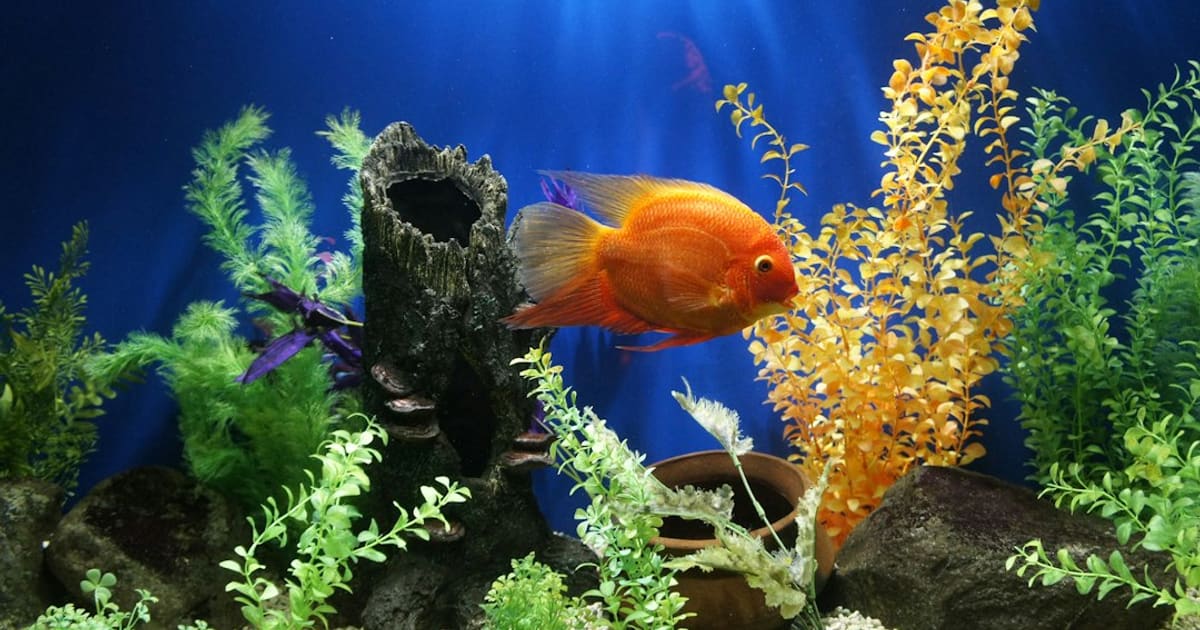
How much does it cost to start fishkeeping in 2026: about $193 for a 10-gallon tank kit plus gravel, conditioner, food, a net, and a liquid test kit.
A first freshwater tank costs about $193 before you buy a single fish. The Aqueon 10-Gallon Starter Kit is $119.99 and puts the tank, internal filter, LED hood, and preset heater in one box. The other $72.99 is what keeps the water livable: gravel $7.29, water conditioner $8.75, food $7.97, a net $6.99, and a liquid test kit $41.99. The fish themselves are about $10 to $15, and they should not go in until the tank has cycled.
That is the whole honest answer. Anything past $193 is decoration or a second tank, and anything below it usually means a bowl, which is a setup that fights you from week one.
The honest answer, in one purchase
- The 10-gallon glass tank. Aqueon 10-Gallon Starter Kit Ten gallons is the smallest size that gives a beginner any margin for error. It fits on a nightstand-sized footprint and holds enough water that one missed feeding is not a crisis.
- The internal filter. The filter moves water and gives the bacteria that process fish waste somewhere to live. This is the part that makes a tank a tank.
- The LED hood. It keeps fish from jumping out and gives you light to actually see them. Around eight hours a day is a common starting point.
- The preset heater. Most tropical freshwater fish want warmer water than a room holds. Check the range for your species and confirm it with a separate thermometer.
Those four lines are one $119.99 purchase, not four charges. That is the reason the kit is worth buying instead of piecing a tank together: the four parts arrive matched.
The consumables nobody mentions
The kit box does not include gravel, conditioner, food, a net, or a test kit, and every one of those matters:
- Gravel ($7.29): any aquarium-safe gravel works. Rinse it until the water runs clear and never use soap. The GloFish Aquarium Gravel, 5 Pounds, Pearlescent is the bag we would buy: 5 pounds covers the bottom of a 10-gallon in a thin layer and shows fish well.
- Water conditioner ($8.75): tap chlorine and chloramine damage both fish and the bacteria you are trying to grow. One 250 mL bottle treats about 1,000 gallons, which is more than a 10-gallon tank uses in its first year. The Seachem Prime 250 ml Freshwater and Saltwater Conditioner is the one we would buy.
- Food ($7.97): a 2.2 oz tub of flakes feeds a small community tank for months, and the TetraMin Tropical Flakes Fish Food, 2.2 oz is the familiar one.
- A net ($6.99): fine mesh moves a fish without snagging fins, and a long handle keeps your hand out of the water. The Grepol-V Fine Mesh Aquarium Fish Net, 4 Inch is a 4-inch head on a 9-to-24-inch extendable handle.
- A liquid test kit ($41.99): this is the one place not to save money. It tests pH, ammonia, nitrite, and nitrate, and it is how you know when the tank is safe. Strip kits often skip ammonia entirely, so buy the API Freshwater Master Test Kit, 800-Test Freshwater Aquarium Water Kit.
$7.29 + $8.75 + $7.97 + $6.99 = $31.00 for the first four. Add the test kit and the consumables come to $72.99.
The math, again
$119.99 + $7.29 + $8.75 + $7.97 + $6.99 + $41.99 = $192.98 for everything except the fish.
| Tier | What you get | Cost |
|---|---|---|
| Cheapest honest path | Consumables and test kit on a tank you were given | ~$73 |
| Budget | 10-gallon kit, consumables, test kit | ~$193 |
| Skip | Bowl, saltwater gear, big planted-tank kit | $300+ |
The cheapest honest path is real if someone hands you a used tank and it holds water. Everything else on the cheap list is a false saving.
The first month is the part that costs patience
Do not buy fish on setup day. Add the gravel, fill the tank with treated water, start the filter and heater, and add an ammonia source. Then test ammonia and nitrite every few days with the API Freshwater Master Test Kit, 800-Test Freshwater Aquarium Water Kit until both read zero after a dose. That cycle commonly takes two to six weeks. Bottled bacteria may shorten the wait, but it does not replace testing.
When the readings are right, add a small first group of fish, feed lightly, and remove uneaten food. Many small freshwater setups settle into about a 20% weekly water change. Stable water matters far more than fancy wood or a cabinet of additives.
What to skip
- A 1-gallon bowl. The volume swings fast and there is nowhere for filtration to work.
- Saltwater or reef equipment for a first tank. It is a different hobby with a longer learning curve.
- Fish on setup day, before the cycle finishes.
- A self-cleaning plastic bowl. Fish waste still needs filtration and water changes.
- A giant aquascaping kit, an automatic feeder, or an expensive centerpiece fish. Buy those after a month of stable water.
What it costs to keep running
Budget about $5 a month. Electricity for the filter, light, and heater is roughly $2 to $4 depending on where you live, food is pennies a week, and replacement filter media is a few dollars every month or two. The test kit is the biggest single purchase after the tank and the slowest to run out, since $41.99 buys about 800 tests. Compared with most hobbies, the entry cost is the whole cost.
If the appeal was a calm, low-effort thing to watch rather than water chemistry, a backyard bird feeder gets you the same daily ritual with no filter to clean and no cycle to run. The birdwatching starter pack covers that path, and it starts for the price of a bag of seed.
Bottom line
Buy the 10-gallon fishkeeping starter pack, add the consumables and the liquid test kit, and you are at about $193 with a setup that can actually keep fish alive. Cycle it before you stock it, test the water, and change about 20% a week. If you want the same quiet hobby in a smaller footprint, a planted container garden or a countertop hydroponic herb garden trades the water changes for a watering can, and a houseplant setup needs even less attention than that. Every price in this guide comes from the packs themselves, and the full catalog lists the rest of the hobby kits side by side.
Frequently asked questions
Is $200 enough to start fishkeeping?
Yes. The 10-gallon kit is $119.99 and puts the tank, internal filter, LED hood, and preset heater in one box. Gravel, water conditioner, food, a net, and a liquid test kit add $72.99. That is $192.98 for a working freshwater setup, and the first small group of fish adds about $10 to $15 once the tank has cycled.
What are the hidden costs of a fish tank?
They are small and mostly monthly. Electricity for the filter, light, and heater runs a few dollars, food costs pennies a week, and replacement filter media is a few dollars every month or two. The liquid test kit is the one purchase that looks expensive up front: $41.99 covers roughly 800 tests, so it lasts years.
Cheap fish bowl vs a full starter kit, what is the real difference?
A bowl is cheap and a dead end. It has no filter and no heater, and a tiny volume of water swings fast when anything changes. The kit includes the filter, hood, and heater that make the water livable, so the gap is not build quality. It is whether the setup can work at all.
How much does it cost to keep a fish tank running each month?
Budget about $5 a month for a 10-gallon tank. Electricity is the biggest piece at roughly $2 to $4, food is pennies a week, and filter media is a few dollars every month or two. Water conditioner is the cheapest part of the whole hobby once you price it per water change.
How we work
How we research and review
StarterPacks Editorial Team researches the products and writes the packs. We choose items for a specific starting point, then check the listing before we link to it.
For each linked product, we open the retailer page to check the price and availability, confirm that its Amazon ASIN still resolves to the right product, and compare important claims with manufacturer specs. We do not call an item hands-on tested unless the page explains what was tested.
This guide was last checked on . We revisit pages when products, prices, or advice change. Prices and stock can move after a check, so the live listing is the final word.
Read about the StarterPacks Editorial Team and our standards.