How Much Does It Cost to Own a Cat (2026): About $179 to Start, Then $15 to $30 a Month
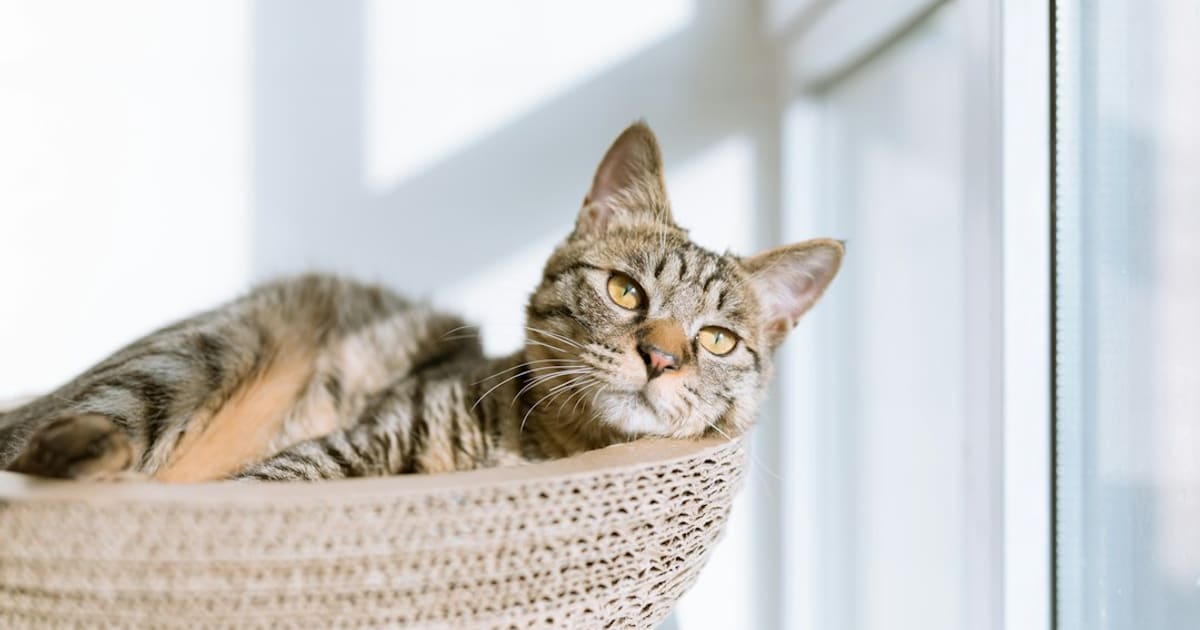
Owning a cat costs about $179 in setup gear in 2026, plus a $50 to $200 adoption fee and $15 to $30 a month for food. Here is the honest breakdown.
About $179. That is the honest cost of the gear a cat needs before pickup day in 2026: eight specific things totaling $178.85 before tax, from a $14 breakaway collar to a $50 carrier. On top of that, budget for the adoption fee, which most shelters set between $50 and $200, a first vet visit, and food at roughly $15 to $30 a month. The setup is a one time shop. The cat is a monthly line item after it.
The $179 setup, piece by piece
The first cat starter pack prices the full eight at $178.85 before tax: a breakaway collar with an engraved ID tag at about $14 GoTags Personalized Reflective Cat Collar with Engraved Tag, a hard shell top loading carrier at about $50 Amazon Basics 2-Door Top-Load Hard-Sided Pet Carrier, a high sided litter box at $18.39 Amazon Basics Large Cat Litter Box with High Sides, two shallow stainless steel bowls at $11.99 2 Pack 304 Stainless Steel Shallow Cat Bowls, enzymatic stain and odor spray at about $20 Nature's Miracle Stain & Odor Remover Spray (32 oz), a double wide cardboard scratcher at about $40 The Original Scratch Lounge XL Cat Scratcher, a 33 piece toy variety pack at $15.98 Retro Shaw 33Pcs Cat Toys Variety Pack, and a nail trimmer at $8.49 Coastal Pet Safari Cat Nail Trimmer. The math is $14 plus $50 plus $18.39 plus $11.99 plus $20 plus $40 plus $15.98 plus $8.49, which equals $178.85.
Each piece answers a pickup week problem. The collar matters because indoor cats escape through open windows and delivery doors, and a neighbor who reads a phone number returns a cat faster than any microchip scan. The rigid carrier loads from the top so a scared cat goes in without a wrestling match, and it doubles as a dark hiding spot during week one. The high sided box catches enthusiastic kickers. Stainless or heavy ceramic bowls beat plastic, which scratches, holds smells, and gives some cats chin acne. The enzyme spray earns its place because ordinary cleaners leave enough protein behind that the cat still smells yesterday's accident. The scratcher is the real furniture insurance: cats need somewhere they are allowed to shred, so the choice is this pad or your sofa arms. The toy pack covers all three play styles, chase, wrestle, and fetch, since nobody knows which kind a new cat is yet.
Month one costs beyond the gear
The adoption fee comes first and varies by shelter, usually $50 to $200. Then the vet: an adult rescue generally needs a first checkup soon after arrival, and kittens add a full vaccine schedule plus serious cord proofing. Food runs roughly $15 to $30 a month for most adult cats. Take home whatever the shelter has been feeding and ask the vet about portions and timing before changing anything, since sudden switches can upset a cat's stomach.
A jug of extra litter can push the first receipt a little higher. After that, running costs settle into litter, food, and a replacement scratcher pad whenever the current one wears out.
What to skip, and the $400 trap
Skip the cat tree in month one. You cannot guess yet whether a new cat climbs or prefers a sealed closet, and rescued adults routinely ignore an expensive tower in favor of a cardboard box. Skip the water fountain on arrival; many cats drink fine from a wide bowl refilled daily. Skip dry food and treat hauls until the vet weighs in on portions.
The number to hold in mind is $400. That is roughly what the same panic costs as a walk in pet store sweep, and the gap between $400 and $179 funds the first year of litter refills. Cats have a reputation as the low effort pet, and the gear list backs it up, but only when the shopping happens before pickup day instead of during it.
Dog people face a bigger version of the same math: the first dog starter pack runs about $212 for ten things before pickup day, with walks and training on top. And if a baby is the reason the household is growing, the new parent starter pack covers the twelve things that actually matter in week one. Every beginner setup, including this one, lives in the starter packs hub.
Frequently asked questions
Is $179 enough to bring a cat home?
Yes for the gear: a $14 breakaway collar with ID, a $50 hard-shell carrier, an $18.39 litter box, $11.99 bowls, $20 enzyme stain spray, a $40 scratcher, $15.98 in toys, and an $8.49 nail trimmer. Adoption fees, the first vet visit, and food sit on top of that number.
How much does a cat cost per month after the setup?
Food runs roughly $15 to $30 a month for most adult cats, plus litter refills and a replacement scratcher pad whenever the current one wears out. The big bills land in month one, then the routine settles into food, litter, and care.
Can I start with a cat for less than $179?
Partly. Borrow a carrier for pickup day and skip the scratcher for a week and the receipt drops, but the collar, litter box, and cleaner are the three to buy before the cat arrives. A pet store panic buy of the same list runs past $400, so the savings fund the first year of litter.
What hidden costs catch new cat owners off guard?
The adoption fee, which most shelters set between $50 and $200, the first vet visit, and the food switch. Take home whatever the shelter has been feeding and ask the vet about portions before buying in bulk, since sudden food changes can upset a cat's stomach.
How we work
How we research and review
StarterPacks Editorial Team researches the products and writes the packs. We choose items for a specific starting point, then check the listing before we link to it.
For each linked product, we open the retailer page to check the price and availability, confirm that its Amazon ASIN still resolves to the right product, and compare important claims with manufacturer specs. We do not call an item hands-on tested unless the page explains what was tested.
This guide was last checked on . We revisit pages when products, prices, or advice change. Prices and stock can move after a check, so the live listing is the final word.
Read about the StarterPacks Editorial Team and our standards.