Life Phases
First Dog Starter Pack (2026): The 10 Things to Have Before Pickup Day
Skip the pet-store sweep. The ten things worth owning before your dog comes home: a basic reflective collar, ID tag, leash, bowls, and more, about $219 all in.
Last checked: 2026-10-18
Pack total ~$230 for 14 picks
What’s in this pack
14 itemsOne click adds every shoppable item in this pack to your Amazon cart. That includes any optional or upgrade pick further down the page, which is why this can run higher than the pack total at the top. Budget picks stay as individual links below — grab just what you need.
- GoTags Stainless Steel Dog ID Tag $8.95 Check price →
- Amazon Basics Reflective Polyester Dog Collar, Medium $6.51 Check price →
- Amazon Basics Stainless Steel Non-Skid Dog Bowls, 38oz, 2-Pack $15.73 Check price →
- Nature's Miracle Stain & Odor Remover Spray (32 oz) ~$20 Check price →
- Max and Neo Reflective Nylon Dog Leash $16.99 Check price →
- KONG Classic Dog Toy, Medium $11.96 Check price →
- Outward Hound Nina Ottosson Dog Smart Treat Puzzle $17.99 Check price →
- Paw Brothers Professional Grade Extra Long Slicker Brush ~$18 Check price →
- KONG ZoomGroom Dog Brush for Grooming and Shampooing, Red, Large $11.99 Check price →
- Coastal Pet Safari Professional Dog Nail Trimmer $14.41 Check price →
- MYPET North States Paws Portable Pet Gate (26-40 in.) ~$25 Check price →
- Amazon Basics Dog Poop Leak Proof Bags with Dispenser and Leash Clip, Unscented, 13 x 9 Large Size, 300 Count $11.86 Check price →
- FURTIME Washable Dog Bed, Medium $35.99 Check price →
- Zuke's Mini Naturals Dog Training Treats, Real Chicken, 16 oz $14.98 Check price →
Prices are approximate — tap any item for the live price. We earn a small commission if you buy, at no extra cost to you.
Start with a reflective collar, an engraved ID tag, a six-foot leash, stainless bowls, and an enzymatic cleaner. Those are the pickup-day essentials; the bed, toys, treats, waste bags, coat-appropriate grooming tools, and baby gate can follow in the same first shop. The ten numbered buys total about $219, far less than a sweep through every pet-store aisle.
This assumes an adult dog from a shelter or rescue. Puppies add a grow-with-them crate, serious chew-proofing, and considerably more laundry.
The short list
- A basic reflective collar and an engraved ID tag, sorted the same day (~$15.46): Amazon Basics Reflective Polyester Dog Collar, Medium is a 1.1-inch-wide reflective polyester collar, adjustable from 15 to 23.5 inches, with a quick-release buckle and a metal D-ring for the leash and tag. The shelter hands the dog over on a slip lead, so the collar is on you. Pair it with GoTags Stainless Steel Dog ID Tag. The stainless steel tag is engraved on both sides, with room for up to eight lines. Add your phone number before pickup day. A readable tag on a collar you grab on the way out the door gives whoever finds your dog a direct way to call you.
- A six-foot leash ($16.99): Max and Neo Reflective Nylon Dog Leash is a reflective nylon leash, six feet long and one inch wide. That is a useful default for ordinary walks without the constant pull of a retractable lead. You'll hold it several times a day, so buy one that feels good in your hand.
- Two dishwasher-safe bowls (~$16): Amazon Basics Stainless Steel Non-Skid Dog Bowls, 38oz, 2-Pack is a two-pack of 38-ounce stainless bowls with non-skid rubber bottoms, $15.73, and both halves of that matter. Plastic scratches, holds smells, and gets grim fast, while the rubber base ends the game where dinner gets batted across the kitchen tile. One for water, one for food, parked out of the walking path.
- The stain and odor remover built for the actual job (~$20): Nature's Miracle Stain & Odor Remover Spray (32 oz). The cleaner is the brand-specific item here. Enzyme formulas are made to break down pet-stain residue instead of covering the smell with perfume. Follow the label for the surface you are cleaning, and keep the bottle ready before pickup day.
- A cheap, washable bed ($35.99): FURTIME Washable Dog Bed, Medium is a 30-inch rectangular foam bed with bolster sides and a removable washable cover for dogs up to 40 pounds. Nobody knows yet whether your dog sleeps stretched flat or curled tight, or whether bedding gets calmly slept on or methodically destroyed. Thirty-six dollars, removable cover, wash weekly, upgrade once the style reveals itself.
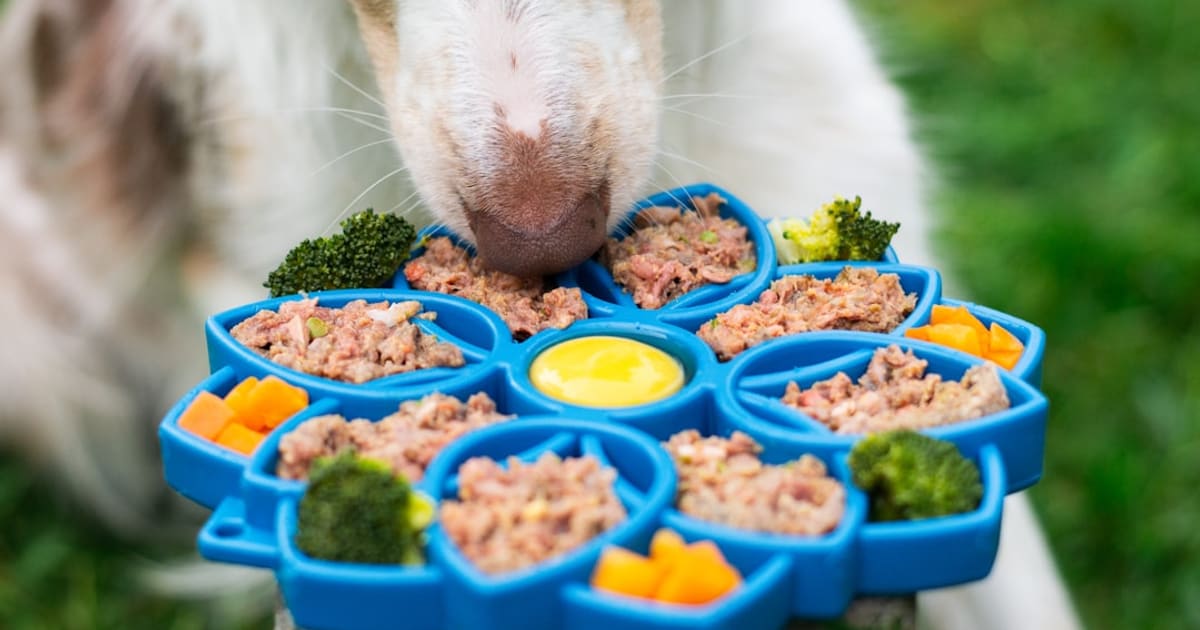
- One tough chew toy and one thinking toy ($29.95): KONG Classic Dog Toy, Medium is the red natural-rubber classic, size Medium for dogs up to about 35 pounds (Large for bigger dogs), at $11.96. Choose the manufacturer-recommended size, supervise the first chews, and replace a toy once it cracks or tears. Outward Hound Nina Ottosson Dog Smart Treat Puzzle is a Level 1 board with nine treat compartments, and its roughly half-cup capacity is enough for part of a meal. Start with the easiest setting so the dog gets paid quickly. A snuffle mat still works if your dog prefers nose work. A tired dog beats a dog redesigning your baseboards.
- Small, soft training treats ($14.98): Zuke's Mini Naturals Dog Training Treats, Real Chicken, 16 oz are pea-sized and soft, made with real chicken and no corn, wheat, or soy, at 2 calories each. That makes them easy to portion for short training sessions. Count treats toward the dog's daily food, and ask your vet about dietary restrictions. Your dog will not inspect the packaging.
- Poop bags by the hundred ($11.86): Amazon Basics Dog Poop Leak Proof Bags with Dispenser and Leash Clip, Unscented, 13 x 9 Large Size, 300 Count is a 300-count pack of unscented, leak-proof 13-by-9-inch bags with a dispenser and leash clip. Clip it to the leash before the first walk. The point is never being the person caught without one, which city fines and neighbors agree on.
- A brush that matches the coat, plus nail tools (up to $32.41): short coats want a rubber curry brush such as KONG ZoomGroom Dog Brush for Grooming and Shampooing, Red, Large, while long coats need a proper slicker such as Paw Brothers Professional Grade Extra Long Slicker Brush. The verified red listing is the large-dog version, so choose the ZoomGroom size that matches the dog. Pair either brush with Coastal Pet Safari Professional Dog Nail Trimmer at $14.41 for routine paw care. The ZoomGroom is $11.99; the long-tooth slicker is about $18, so this line totals $26.40 or $32.41. Start handling paws gently this week. If you are unsure how far to trim, ask a vet or groomer to show you first.
- One baby gate (~$25): management beats training in month one. The MYPET North States Paws Portable Pet Gate (26-40 in.) is a 23-inch pressure-mounted gate that spans 26 to 40 inches without tools. Put it across a kitchen or hallway to contain accidents and shredded mail while you're out, then use it to enforce house rules like keeping the litter box private.
The free habit that pays more than anything above
When the dog is relaxed, briefly touch an ear or paw, then hand over a treat. Keep it gentle and stop if the dog stiffens, turns away, or seems worried; the shelter, a trainer, or your vet can help with handling-sensitive dogs. Calm practice can make later vet exams, grooming, and nail care less unfamiliar, and it costs nothing.
What to skip
- A retractable leash for the first walks. A fixed six-foot leash gives you simpler control while you learn how the dog moves. Ask the shelter or a trainer if the dog has handling or escape concerns that call for a different setup.
- A fitted harness bought without the dog. Ask the shelter what the dog already walks on, then check the fit in person. If a collar or harness causes coughing, rubbing, or an escape risk, ask a vet or qualified trainer for help.
- The airtight pantry system. You'll likely switch foods while learning what agrees with your dog, so fancy storage can wait. Keep the first bag folded shut with a binder clip.
- A wardrobe bought before you know the dog. Clothing needs vary with coat, size, age, weather, and recovery. Ask your vet whether this dog needs cold-weather or protective gear, then buy for that specific need.
- The welcome-home squeaky haul. Most dogs choose one favorite and step over the rest for life. Meet the dog, learn the preference, then spend accordingly.
The total
$15.46 + $16.99 + $15.73 + $20 + $35.99 + $29.95 + $14.98 + $11.86 + $32.41 + $25 = $218.37 before tax. That uses the long-coat slicker and the new reflective collar. The short-coat ZoomGroom keeps the brush line at $26.40 and drops the setup to $212.36. Adoption fees, food, and veterinary care are separate. After that, routine costs settle into food, waste bags, care, and replacing whichever toy finally met its match.
Related packs
First Cat Starter Pack (2026): The 8 Things to Have Before Pickup Day
Frequently asked questions
What is the best starter kit for a first-time dog owner?
Start with identification, a six-foot leash, two stainless bowls, and an enzymatic cleaner. Then add a washable bed, two toys, treats, waste bags, coat-appropriate grooming tools, and one baby gate. The full list costs about $219, while fitted gear can wait until you know the dog.
How much does the first month with a dog cost?
Beyond the roughly $219 of gear here, budget separately for the adoption fee, a first vet visit, and food. Ask the shelter what medical care the fee includes, then price food for the dog's size and diet.
Do I need a crate before bringing a rescue dog home?
Not always. Ask the shelter whether the dog already uses a crate and what size they recommend. A baby gate can create one easy-clean room while you learn the routine; puppies and dogs with specific safety or separation needs may need a crate plan from the shelter, a trainer, or your vet.
Why an enzymatic cleaner instead of regular carpet spray?
Regular sprays mask the smell enough for human noses but leave behind the proteins a dog can still detect, so the spot keeps reading as an acceptable bathroom. Enzyme formulas digest those proteins instead, which is what actually breaks the habit loop.
How we work
How we research and review
StarterPacks Editorial Team researches the products and writes the packs. We choose items for a specific starting point, then check the listing before we link to it.
For each linked product, we open the retailer page to check the price and availability, confirm that its Amazon ASIN still resolves to the right product, and compare important claims with manufacturer specs. We do not call an item hands-on tested unless the page explains what was tested.
This pack was last checked on . We revisit pages when products, prices, or advice change. Prices and stock can move after a check, so the live listing is the final word.
Read about the StarterPacks Editorial Team and our standards.