How Much Does It Cost to Start Embroidery (2026): About $20 for One Kit, or a Borrowed Hoop
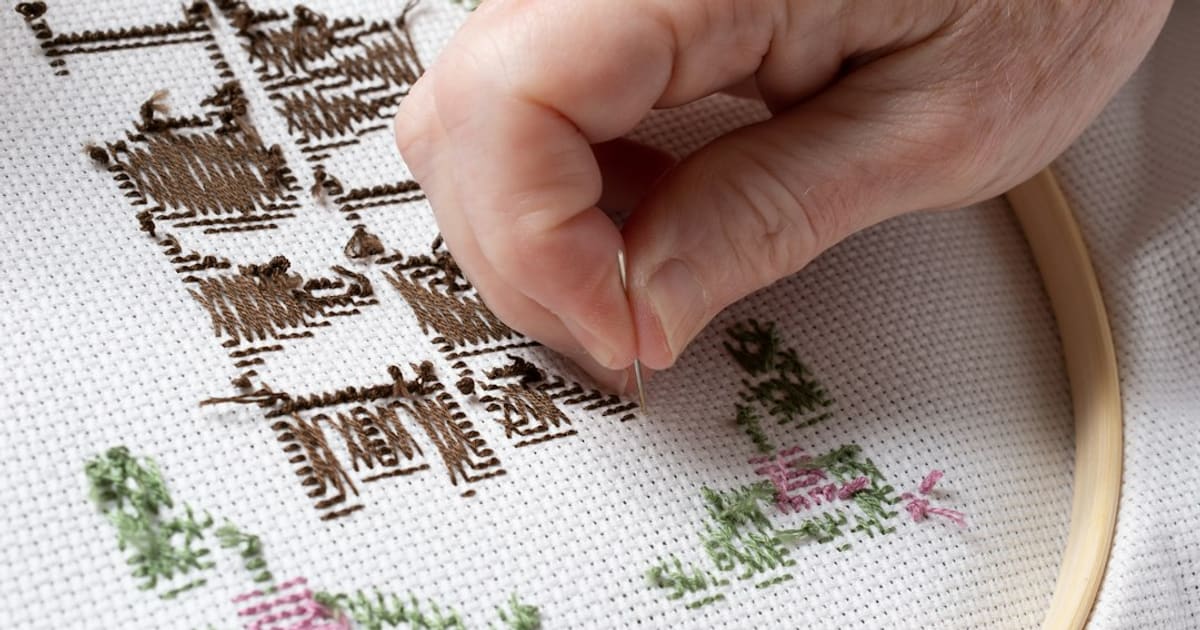
How much does it cost to start embroidery in 2026? About $20 for one kit with hoops, floss, and printed fabric, or borrow a hoop and spare floss.
Starting embroidery costs about $20. One kit at $19.97 covers everything the first project needs: two hoops, printed patterns, 17 colors of floss, needles, a stitch guide, and a storage tube. The free path is borrowing a hoop and a few spare skeins from someone who already stitches, and the honest answer for most beginners is to buy the one kit and nothing else.
The honest answer
The whole bill is the kit. The ETSPIL Embroidery Kit for Adults, 2 Hoops, 4K Slow-Mo two-hoop set runs $19.97, about $20, and packs the six parts beginner supply lists usually price one by one:
- Two hoops. One holds the current piece while the other waits with the next pattern.
- Printed patterns on the fabric. Follow the lines instead of learning transfer tools first.
- 17 colors of floss. Enough to finish the printed designs without a bulk box.
- The needle setup and a needle minder. The needle has somewhere to live between sessions.
- A stitch guide with slow-motion lessons. Backstitch, running stitch, and satin stitch first.
- A storage tube. Hoop, floss, guide, and scraps stay together.
You can open the box, pick one printed design, and make the first stitches without ordering anything else. The embroidery starter kit lists the six-part setup with current prices.
Why one kit covers the first project
The blank-cloth problem sinks more first attempts than bad hands do. A hoop and a needle are easy to find; knowing where the stitches go is what stalls people. A printed pattern removes that decision, and three stitches cover a first flower: backstitch, running stitch, and satin stitch.
The floss math is the other half: six strands through a small needle makes a rope, and two or three lay flat. Split what the guide asks for and keep the rest in the tube.
The cheap way to try it first
If someone nearby already stitches, the try costs nothing: borrow a hoop, a needle, and a few spare skeins, and work one printed pattern.
If nobody does, the kit is the cheaper route anyway. Assembling a hoop, a needle, a printed pattern, and floss one at a time means more decisions and more shipping than one order, and the guide and lessons are the parts a parts-bin approach leaves out.
What to skip
- An embroidery machine. It stitches programmed designs onto garments and costs many times more. It is a different craft, not the next step from a hoop.
- A standing frame. Small hoops are easy to hold. Add one when a large piece needs the tension, not because a list says so.
- A bulk floss box. Seventeen colors are plenty for a first pattern. Buy singles later, once you know which shades you reach for.
- Blank linen and transfer tools. They add two problems before you have learned a stitch. Start printed.
- A paid class on day one. Use the included guide and the slow-motion lessons first. Spend class money later on one specific technique.
What it costs after the first piece
The recurring cost is floss and fabric, and it is the cheap part. Finish one small motif before buying anything else, then let the first project tell you what to restock. Worth it later: a better needle assortment, a second hoop size, and thread in the colors you use. Nothing about the hobby bills monthly.
The math
The math is one kit: $19.97 + $0 + $0 + $0 + $0 + $0 = $19.97, or about $20. The second hoop, the printed patterns, the floss, the needle setup, the guide, and the storage tube all sit inside that number. The borrowed version is $0. Do not buy the machine or the big floss box until a finished piece tells you this is a habit.
The bottom line
Start this weekend: hoop on the table, one slow-motion lesson, twenty minutes of stitching, and stop before your fingers get tense. The embroidery starter kit has the full list with current prices. If the woven-grid version appeals more, the needlepoint starter pack is the same idea with a different fabric. The crochet starter pack adds a hook to the same yarn habit, and the starter packs hub collects every beginner setup here.
Frequently asked questions
Is $20 enough to start embroidery?
Yes. The ETSPIL starter kit costs $19.97 and includes two hoops, printed patterns, 17 colors of floss, needles, a stitch guide, and a storage tube, so there is no second order to place before the first piece. A pair of household scissors covers the only thing the kit leaves out.
What are the hidden costs of embroidery?
Floss and fabric for the projects after the first one, and that is the whole list. There is no subscription, no filter to replace, and no machine to maintain. A restock is a printed pattern and a couple of skeins, and it costs less than the kit itself.
Do I need an embroidery machine to start?
No. Hand embroidery is a hoop, a needle, and floss. A machine is a separate and far more expensive setup for stitching programmed designs onto garments, and it teaches nothing about the hand stitches you would use to find out whether you enjoy the craft.
What should I skip when starting embroidery?
The machine, a standing frame, a bulk floss box, and blank linen with transfer tools. Start with the printed patterns in the kit, finish one small motif, and let the second purchase be whatever the first project actually ran out of.
How we work
How we research and review
StarterPacks Editorial Team researches the products and writes the packs. We choose items for a specific starting point, then check the listing before we link to it.
For each linked product, we open the retailer page to check the price and availability, confirm that its Amazon ASIN still resolves to the right product, and compare important claims with manufacturer specs. We do not call an item hands-on tested unless the page explains what was tested.
This guide was last checked on . We revisit pages when products, prices, or advice change. Prices and stock can move after a check, so the live listing is the final word.
Read about the StarterPacks Editorial Team and our standards.