How Much Does It Cost to Start Disc Golf (2026): About $68, or $0
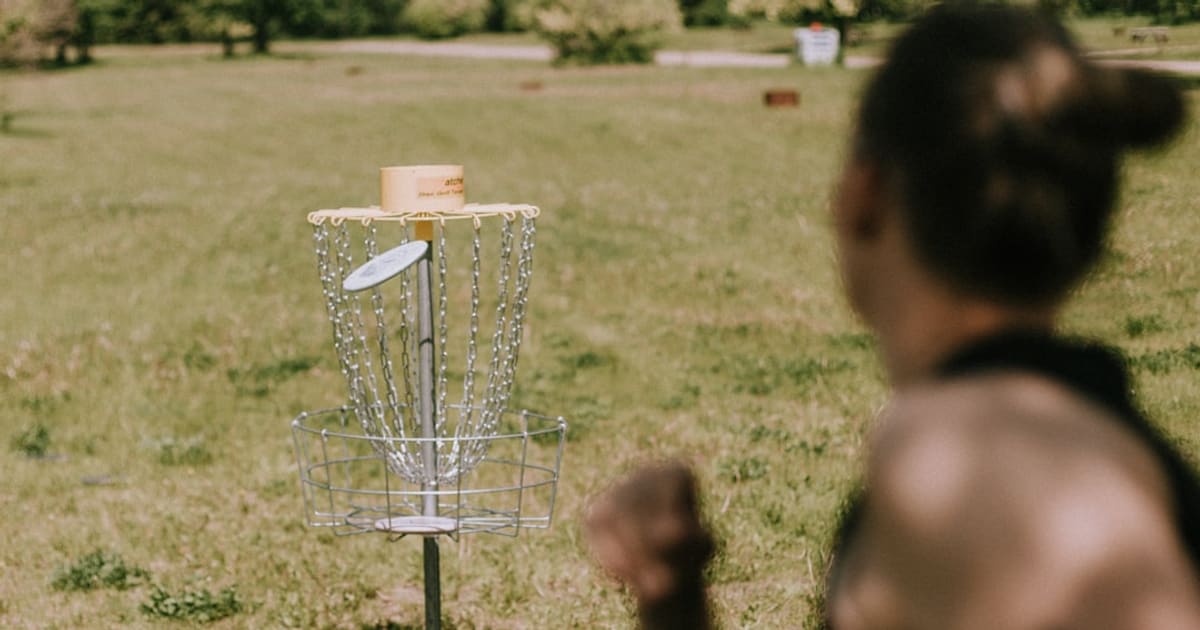
How much does it cost to start disc golf in 2026: about $68 for three discs, a small bag, and a squeeze bottle, or $0 at a course with a lending library. Per-item math.
You can start disc golf for $0 or for about $68. The $0 version is a single borrowed putter, a willing friend, and a public course; the $68 version is the three discs and small bag that put a first round on your own terms. Both get you on a course this week. The useful choice is whether to borrow first or buy the three-disc set; a 12-disc bundle can wait.
The honest answer
A complete beginner disc golf starter kit costs about $68 right now:
- Dynamic Discs Prime Burst 3-Disc Golf Starter Set: about $30
- Discraft Weekender Disc Golf Bag: about $22
- CamelBak Podium Chill Insulated Water Bottle 24oz: about $16
$30 + $22 + $16 = about $68, and every piece earns its spot for the first year of weekly rounds. Street prices wobble between $60 and $75 with sales. If $68 is more than you want to spend on a sport you have not tried, the free path below costs nothing and most courses never charge a green fee.
The free path ($0)
If you want to test disc golf before buying anything:
- Find a public course near you using the free UDisc app.
- Show up to a league night or a casual round and borrow three discs.
- Bring a water bottle and a regular backpack you already own.
- Write your phone number on a Sharpie-marked piece of tape on any borrowed disc.
After three or four rounds, you will know whether you want your own discs. The borrow-three is the free trial; the 3-disc set is the commitment.
The budget tier (~$52)
If you want the gear but not the full kit, buy the discs and the bag, skip the water bottle:
That $52 gets you the three basic disc types and a bag without buying extras. Prime Burst sets include a putter, midrange, and driver; the exact weights vary by set. Bring a bottle you already own or check whether the course has a fountain before relying on one.
The full tier (~$68, recommended)
The three-item kit linked from the disc golf starter pack is the sweet spot for a first-time player who plans to play weekly:
- The 3-disc set (~$30): Dynamic Discs Prime Burst 3-Disc Golf Starter Set. Putter, midrange, driver, plus a mini marker, all in one box. The set is simpler than shopping for singles because it covers the three basic flight roles, and the baseline plastic offers useful grip while you learn release angles.
- The Weekender bag (~$22): Discraft Weekender Disc Golf Bag. Holds 6–8 discs, has a putter pocket on the top flap, and has room for a water bottle at the side. Larger disc backpacks with built-in stands and 25-disc capacity solve a problem a first set does not create.
- The sport squeeze bottle (~$16): CamelBak Podium Chill Insulated Water Bottle 24oz. Courses can be exposed, and summer rounds may run two to three hours. Check the weather and bring more than 24 ounces when the heat or course length calls for it. The Podium Chill fits a standard bike cage and the Weekender bag's side pocket, and its self-sealing cap is easy to use between holes. If you already own a bottle that fits the pocket, use it instead.
What to skip at the start
- The 12-disc, 16-disc, or 20-disc starter bundles. They look like a deal until half the discs sit unused for a year. A 3-disc set teaches the game; everything else is clutter.
- Premium plastic discs for month one. Champion, GStar, and other premium plastics are stiffer and faster, which sounds better and plays worse for a beginner. Baseline plastic catches the rim better on off-axis throws, which is most of what a first player throws.
- A separate distance driver. Faster discs need more arm speed and clean form. Use the driver in the starter set first; add another only after you know which flight you are missing.
- A disc retriever for the first season. It solves a real problem, but only on courses with water hazards. Wait until your regular course gives you a reason to carry one.
- A paid lesson package for now. Some local clubs run free beginner rounds or lend discs. Check the course or club calendar before paying for instruction.
The math, again
| Tier | What you get | Cost |
|---|---|---|
| Free | Borrowed discs + public course | $0 |
| Budget | 3-disc set + Weekender bag | ~$52 |
| Full | 3-disc set + bag + squeeze bottle | ~$68 |
| Skip | 12-disc bundle + premium plastic + distance driver + retriever | $200+ |
For most beginners, the budget tier is the smartest spend for the first month. Once you decide to play weekly, the full tier is the right call. Do not spend more than $150 on year one of disc golf, and that is only if you keep losing putters in the woods.
Rounds in open parks pair naturally with the other cheap way to spend a Saturday morning: the beginner hiking kit fills the same daypack for the trails between courses. For the full catalog of similar beginner kits, see the starter packs hub.
Frequently asked questions
Is $50 enough to start disc golf?
Yes, comfortably. About $30 buys the Dynamic Discs Prime Burst 3-disc set and $22 buys the Discraft Weekender bag, the two pieces that put you on a real course. Borrow a putter from a league night for the first round if you want to spend even less.
What are the hidden costs of starting disc golf?
Almost everything is optional. Many public courses are free to play, while league drop-in fees vary by club. Replacing a lost disc is the main recurring cost, so label your discs with contact information.
Cheap disc golf kit vs premium kit, what is the real difference?
The $68 starter kit uses baseline plastic that grips well in cold weather and beats in evenly. A $200-plus premium set usually adds champion or GStar plastic discs, a backpack-style carrier with a built- in stand, and a distance driver. Those upgrades help once you are playing weekly; on round one they mostly add discs you will not throw.
Do I need three discs to start, or can I borrow one?
You can show up with a single putter. Some courses and local clubs keep loaner discs, so check before you go. Buy once you know you like the sport. A putter, midrange, and driver are enough for a first set; they do not need to be the same brand or weight.
How we work
How we research and review
StarterPacks Editorial Team researches the products and writes the packs. We choose items for a specific starting point, then check the listing before we link to it.
For each linked product, we open the retailer page to check the price and availability, confirm that its Amazon ASIN still resolves to the right product, and compare important claims with manufacturer specs. We do not call an item hands-on tested unless the page explains what was tested.
This guide was last checked on . We revisit pages when products, prices, or advice change. Prices and stock can move after a check, so the live listing is the final word.
Read about the StarterPacks Editorial Team and our standards.