How Much Does It Cost to Start a Home Bakery Business (2026): About $340, or $271
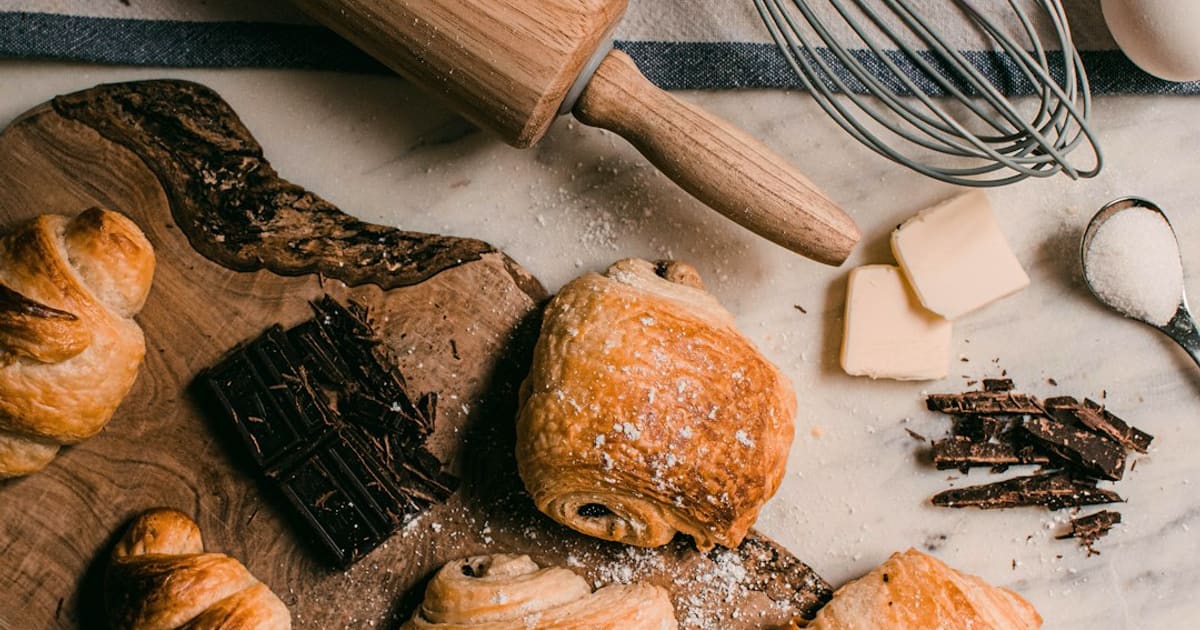
Start a home bakery business for about $340: a stand mixer, Dutch oven, kitchen scale, proofing bucket, and timers. $271 if you already own a Dutch oven.
A home bakery starts with five pieces of gear, not a storefront. The honest number is about $340 for the equipment: a 5-quart stand mixer at about $240, a 5-quart cast iron Dutch oven at about $59.90, a kitchen scale at about $19, a proofing container at about $12, and two timers at about $6. That is $240 + $59.90 + $19 + $12 + $6 = $336.90, or about $340. If you already own a Dutch oven, the rest comes to about $271. Registration, insurance, ingredients, and packaging are separate costs that vary by state.
Those five items are the core of the home bakery starter pack, which breaks out why each one earns its place.
The five pieces, and what each one is for
Stand mixer, about $240. This is the expensive part of the kit, and the first thing to delay. The Hamilton Beach all-metal 5-quart mixer (Hamilton Beach Professional All-Metal 5 Qt Stand Mixer) has a stainless bowl, 12 speeds, a dough hook, and a whisk, and it handles bread dough that would exhaust a hand mixer. Keep using the hand mixer until mixing time is actually limiting orders for recipes you can already make consistently.
Cast iron Dutch oven, about $59.90. The Lodge 5-quart pre-seasoned pot (Lodge Pre-Seasoned Cast Iron Dutch Oven with Bail Handle, 5 Quart) traps steam around a boule early in the bake, then lets the crust finish dry after the lid comes off. It does double duty for stews and cobblers. If bread is not on your first menu, skip it until a bread order pays for it. Any heavy covered pot you already own works for the first loaves.
Kitchen scale, about $19. Buy this one first. The Etekcity scale (Etekcity Food Kitchen Scale, 0.1g with Bowl (11 lb)) reads to a tenth of a gram up to 11 pounds and comes with a bowl, so you can mix and weigh in one container. Repeatable recipes and accurate package weights matter for labels. Guessing by eye is how home bakeries gain pounds and lose consistency.
Proofing container, about $12. The Cambro 6-quart container (Cambro 6-Quart Round Food Storage Container with Lid) has clear sides and a fitted lid, so a batch of dough gets room to rise and you can see the change. A covered mixing bowl works until you want something that stacks neatly in the fridge.
Two magnetic timers, about $6. The two-pack (Magnetic Digital Kitchen Timer (2-Pack)) sticks to the fridge or the oven: one tracks a rise, the other tracks the bake, without tying up your phone. Label them or keep each beside the batch it is timing.
The $271 budget tier
If you already own a Dutch oven and use the timer on your phone, the remaining core is the mixer at about $240, the scale at about $19, and the proofing container at about $12: about $271. This is the right starting point for someone testing whether the business will stick before spending the full amount.
The roughly $46 of extras every bakery needs
Rimmed half sheet pans, about $29.99 for two. The USA Pan two-pack (USA Pan Bakeware Half Sheet Pan, Set of 2 Baking Sheets, Aluminized Steel) is two 17-by-12-inch aluminized steel pans with the corrugated surface that resists warping under high heat and releases cookies and bars cleanly. Buy two so one can stage while the other bakes; if you already own a single rimmed sheet, start there and add a second when the rotation tightens.
Parchment paper, about $7.27. The Amazon Basics Parchment Paper, 90 Sq Ft Roll is an unbleached 90-square-foot roll, roomy enough for a half sheet pan, with 4.8 stars from about 5,900 ratings. Rolls and pre-cut sheets both work, so compare the local price per sheet and buy whichever format fits your pans.
Cellophane bags, $8.99 for 200. These self-sealing 5-by-7-inch Morepack 5x7 In Self-Sealing Cellophane Cookie Bags, 200-Count fit cookies and bars without a heat sealer. Buy them only after a paid order needs individual packaging; a food-safe container you already own is enough for practice batches.
Together these three add-ons total $29.99 + $7.27 + $8.99 = $46.25, about $46. They stay out of the headline number because the five-piece total covers the core setup.
What to skip at the start
Skip the commercial convection oven and pro range until your batch size or your home oven's temperature swings are costing you orders. Skip a logo, branded boxes, and a website until repeat customers justify them: a clear label and a simple payment method are enough at first. Skip certification courses unless local rules require one. Keep the first menu small enough to repeat, and leave catering until you can reliably meet your pickup schedule.
The costs that $340 never covers
Registration and any license or insurance come before your first sale, and prices vary by state and county. Ingredients and packaging are recurring costs on every order. And the menu itself is regulated: many cottage food laws allow shelf-stable breads, cookies, bars, and dry cakes from a home kitchen, while refrigerated or cream-filled items often require a commercial or shared kitchen. Check the agencies that regulate your address before you pick a recipe or buy equipment.
The same pricing logic applies to the other side hustles in this catalog: the sourdough pack covers a $67 bread hobby that can turn into the bakery business, and the lawn care pack shows a client business starting from about $185. Browse the full pack list to compare starting costs across hobbies and businesses.
Frequently asked questions
Is $300 enough to start a home bakery business?
Yes, if you already own a Dutch oven. The core purchases are a stand mixer at about $240, a kitchen scale at about $19, and a proofing container at about $12, for about $271. Add a Dutch oven at about $59.90 and two timers at about $6 to reach the full five-piece total of about $340. Sheet pans, parchment paper, and cellophane bags add roughly another $46.
What are the hidden costs of starting a home bakery?
Registration and any required license or insurance come first, and prices vary by state and county. Ingredients and packaging are recurring costs you pay before every sale. If your cottage food law does not allow the items you want to sell from a home kitchen, you may also need a shared commissary kitchen rental.
Do I need a commercial kitchen to start a home bakery?
Not necessarily. Many cottage food laws allow shelf-stable breads, cookies, bars, and dry cakes from a home kitchen. Refrigerated or cream-filled items often require a commercial or shared kitchen. Check the agencies that regulate your address before choosing a menu, because rules vary by state and sometimes by county.
Can I start a home bakery with a hand mixer?
Yes. Keep the hand mixer until mixing time is limiting orders for recipes you can already repeat consistently. Buy the kitchen scale first: it fixes recipe consistency and package weights for about $19. Upgrade to the stand mixer only when a specific order exposes a real bottleneck.
How we work
How we research and review
StarterPacks Editorial Team researches the products and writes the packs. We choose items for a specific starting point, then check the listing before we link to it.
For each linked product, we open the retailer page to check the price and availability, confirm that its Amazon ASIN still resolves to the right product, and compare important claims with manufacturer specs. We do not call an item hands-on tested unless the page explains what was tested.
This pack was last checked on . We revisit pages when products, prices, or advice change. Prices and stock can move after a check, so the live listing is the final word.
Read about the StarterPacks Editorial Team and our standards.