How Much Does It Cost to Set Up Your First House (2026): About $3,000, or $6,000
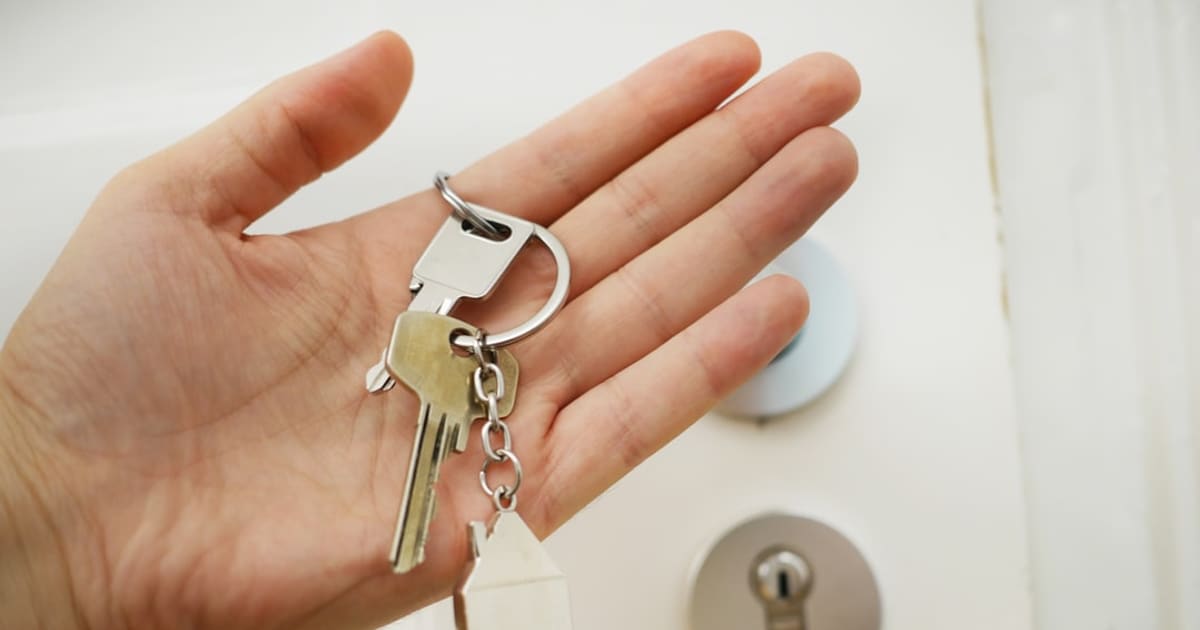
Setting up a first house costs about $3,000 on a budget or $6,000 for a better setup, assuming you already own basic apartment gear.
The honest answer
Plan on about $3,000 for a budget first-house setup or $6,000 for a better version. At the item level that is roughly $2,060 to $4,040 for the budget setup and $3,980 to $7,670 for the better one.
We are assuming a modest first house and someone moving up from an apartment, not arriving with a suitcase and an empty car. You probably already own dishes, some furniture, towels, a television, and basic kitchen equipment.
This does not include the house price, down payment, closing costs, moving company, major appliances, major repairs, or renovations. It is the annoying second wave of spending during the first 60 days: missing furniture, window coverings, tools, safety equipment, cleaning gear, yard basics, and dozens of things that apartments quietly provided for you.
You can spend much less if your apartment furniture works in the new house. You can also blow past $10,000 surprisingly fast by furnishing every empty room immediately. There is usually no reason to do that.
The free path ($0)
Before buying anything, move in with what you already have.
A small apartment sofa does not become defective because the new living room is larger. Your cheap kitchen table still holds food. Plastic storage drawers can keep doing their job until you know where permanent furniture should go.
Ask family or friends whether they have spare lamps, tables, shelving, rakes, shovels, or basic hand tools. Used solid furniture is especially worth accepting. A scratched hardwood table is often more useful than a new decorative piece you bought because an empty dining room bothered you.
Borrow the things you will use twice during move-in. A drill, stud finder, step ladder, hand truck, or pressure washer can often be borrowed long enough to figure out what you actually need to own. Reuse moving boxes as temporary garage storage. Leave the guest room empty. Do not furnish rooms merely because the floor is visible.
The best free move is simply waiting. Live in the house for a few weeks before deciding what the house is missing.
The essentials (the test)
Our rule is simple: if money ran out tomorrow, would a normal person still need this in week one?
If the answer is no, it is not an essential. A bed frame, mattress, sheets, pillows, a side table, and a lamp pass. Command strips to hang pictures do not.
What qualifies:
- A functional sleeping setup: mattress, bed frame, sheets, pillows, bedside surface, and a lamp if the room lacks useful lighting.
- Basic seating and somewhere to eat. That might be your old sofa and kitchen table. It does not mean matching living room furniture.
- Privacy where it is needed. Bedrooms and street-facing bathrooms may need blinds or curtains immediately. Decorative curtains in a spare room do not.
- Kitchen equipment you do not already own. You need enough cookware, dishes, utensils, and food storage to make normal meals, not a complete matching kitchen.
- Bathroom basics: shower curtain where required, towels, toilet brush, plunger, trash can, and cleaning supplies.
- Cleaning equipment: a vacuum appropriate for your floors, broom, mop, bucket, sponges, cleaners, and trash bags.
- Basic safety equipment: working smoke and carbon monoxide alarms where appropriate, a usable fire extinguisher, and a flashlight.
- Basic tools, because houses constantly produce loose screws, sticking doors, furniture assembly, and things that need measuring.
- A step ladder tall enough to reach lights, detectors, and filters without climbing on furniture.
Picture frames, rugs, decorative pillows, matching organizers, wall art, smart gadgets, and command strips fail the test.
The budget setup (~$3,000)
This is the version for someone who wants the house functional without pretending every room needs to be finished in 60 days.
- Bedroom gaps: $450 to $750. Mattress or mattress replacement, simple frame, bedding, pillows, basic nightstand, and lamp where needed.
- Living room seating and tables: $400 to $700. Enough comfortable seating plus one useful coffee or side table.
- Dining table and chairs: $200 to $350. Buy for the number of people who actually live there.
- Window coverings: $100 to $250. Handle bedrooms, bathrooms, and exposed first-floor rooms first.
- Kitchen gaps: $120 to $250. Fill only what your apartment kitchen did not already provide.
- Bathroom basics: $70 to $150. Shower supplies, plungers, brushes, towels, trash cans, and basic storage.
- Cleaning gear: $150 to $300. A lightweight stick vacuum like the Bissell Featherweight (Bissell 2033 Featherweight Stick Lightweight Bagless Vacuum) handles most floors; add a broom, mop, bucket, brushes, cloths, and starter cleaners.
- Laundry basics: $40 to $100. Hampers, a drying rack if needed, and supplies.
- Safety equipment: $100 to $220. A battery combo unit like the First Alert SMCO100 (First Alert SMCO100 Combination Smoke & CO Alarm, about $37) covers smoke and carbon monoxide with one ceiling mount, the fastest way to close that gap in a new house. Add batteries where applicable, an extinguisher like the First Alert DHOME1 (First Alert DHOME1 Fire Extinguisher, about $29), and a flashlight. A rechargeable headlamp like the $17 one in our car kit (LHKNL Rechargeable LED Headlamp) keeps both hands free.
- Basic homeowner tools: $150 to $300. Hammer, screwdrivers, pliers, adjustable wrench, tape measure, level, utility knife, drill, bits, and common fasteners. Our basic home tool kit starts with a $33 household kit (Amazon Basics 65 Piece Home Repair Tool Kit) and covers the ten everyday pieces for about $169.
- Step ladder: $50 to $100. Tall enough for normal indoor maintenance without becoming a storage problem.
- Outdoor basics: $80 to $200. Hose, rake, shovel, outdoor broom, and whatever simple hand tools the property immediately requires.
- Trash and recycling bins: $50 to $120. Indoor bins plus whatever exterior containers your local setup requires.
- Lock and key allowance: $60 to $150. Rekeying or replacing basic locks is worth handling early if the keys have an unknown history.
- Extension cords and power strips: $40 to $100. Buy only where the house actually proves you need them.
If you already own a bed, sofa, table, cookware, and vacuum, your real number can land well below this tier.
The better setup (~$6,000)
The better setup is mostly about buying fewer temporary things.
- Bedroom: $850 to $1,400. Spend more on the mattress and a sturdy frame. Expensive nightstands are still unnecessary.
- Living room: $900 to $1,600. A better sofa is one of the more defensible upgrades because it gets used constantly.
- Dining: $350 to $700. A durable table and chairs are worth more than a fashionable set that feels fragile.
- Window coverings: $250 to $500. Better blinds or curtains can improve privacy and daily convenience. Custom treatments can wait.
- Kitchen: $250 to $500. Upgrade the cookware and knives you actually use. Large sets full of duplicate pieces are wasted money.
- Bathroom: $120 to $250. Better towels, organizers, and hardware are reasonable.
- Cleaning gear: $250 to $500. A good vacuum and durable cleaning tools are worth paying for if your floor area grew.
- Laundry basics: $70 to $150. Spend for durability, not matching laundry-room decor.
- Safety equipment: $150 to $300. Cover the house properly and keep spare batteries where useful.
- Homeowner tools: $300 to $600. A worthwhile upgrade. Better hand tools, a solid drill, useful bits, and repair supplies last for years.
- Step ladder: $80 to $160. A more stable ladder is worth the modest increase.
- Outdoor basics: $150 to $400. Add better hand tools and the property-specific equipment you already know you need.
- Trash and recycling: $80 to $180.
- Locks and keys: $100 to $250. More room for replacing worn hardware instead of only rekeying.
- Extension cords and power equipment: $80 to $180. Buy heavier-duty cords where appropriate instead of accumulating flimsy ones.
The upgrade money is best spent on the mattress, sofa, vacuum, tools, ladders, and locks. It is usually wasted on decorative furniture, designer lighting, coordinated storage containers, premium guest-room furniture, and anything purchased mainly because the house looks unfinished.
What to delay (the nice-to-haves)
Do not buy these just because you closed on a house:
- Guest-room furniture. An air mattress works until guests become a real pattern.
- Matching furniture sets. They cost a lot and lock you into choices before you understand the room.
- Area rugs everywhere. Wait until furniture placement settles.
- Wall art and decorative objects. Empty walls do not prevent the house from functioning.
- Garage organization systems. Live with the garage first. Your storage plan will probably change.
- Large shelving purchases. Cardboard boxes and existing shelves can hold things temporarily.
- Smart-home gadgets. Solve an actual problem before automating it.
- Outdoor furniture. Buy it when you know which outdoor space you actually use.
- Specialty lawn equipment and workshop gear. Borrow or rent first if you are unsure how often you need it.
- A fully furnished basement. Basements are excellent at quietly consuming $3,000.
- Decorative lighting replacements. Replace ugly fixtures later unless the existing lighting is genuinely inadequate.
- Holiday and seasonal storage gear. Organize seasonal items when that season arrives.
An empty room costs nothing. A room full of rushed purchases can take years to undo.
The costs that keep coming
The shopping slows down after the first couple of months, but houses continue asking for money.
Utilities may change because you now have more square footage, outdoor lighting, heating or cooling equipment, and possibly different water or sewer arrangements.
Consumables keep cycling: filters, light bulbs, cleaning products, trash bags, batteries, and treatment products for certain water systems.
Outdoor equipment creates its own supplies. Depending on what you own, that can include fuel, batteries, blades, line, oil, filters, seed, fertilizer, mulch, or snow supplies.
Then there is maintenance: gutter cleaning, pest treatment, HVAC service, chimney work where applicable, dryer vent cleaning, small plumbing repairs, caulk, paint touch-ups, hardware, and replacement parts.
Homeownership also creates irregular expenses. A broken toilet part might cost very little. A failed appliance or major system does not. Keeping some cash uncommitted after closing is more useful than having every room perfectly furnished.
The math
The budget setup adds up like this:
- $450–$750 bedroom
- $400–$700 living room
- $200–$350 dining
- $100–$250 window coverings
- $120–$250 kitchen
- $70–$150 bathroom
- $150–$300 cleaning
- $40–$100 laundry
- $100–$220 safety
- $150–$300 tools
- $50–$100 ladder
- $80–$200 outdoor basics
- $50–$120 trash and recycling
- $60–$150 locks and keys
- $40–$100 cords and power strips
Total: $2,060 to $4,040, or roughly $3,000.
The better setup adds up like this:
- $850–$1,400 bedroom
- $900–$1,600 living room
- $350–$700 dining
- $250–$500 window coverings
- $250–$500 kitchen
- $120–$250 bathroom
- $250–$500 cleaning
- $70–$150 laundry
- $150–$300 safety
- $300–$600 tools
- $80–$160 ladder
- $150–$400 outdoor basics
- $80–$180 trash and recycling
- $100–$250 locks and keys
- $80–$180 cords and power equipment
Total: $3,980 to $7,670, or roughly $6,000.
That gap is why your starting inventory matters more than almost anything else. Someone bringing a furnished apartment into the house might spend $1,500. Someone replacing most of their furniture can cross $6,000 without buying anything extravagant.
FAQ
How much does it cost to set up a first house in 2026?
About $3,000 is a reasonable budget target, with our itemized budget setup running $2,060 to $4,040. A better setup is about $6,000, with an itemized range of $3,980 to $7,670. These numbers assume you are moving from an apartment and already own some normal household items.
What should I buy first after closing on a house?
Start with sleeping, lighting, privacy, cleaning, basic cooking, fire safety, minor repair tools, trash handling, and anything the property immediately requires. If an item does not solve a problem you will face during the first week, it can probably wait.
Can I set up a house for less than $3,000?
Absolutely. Keep your apartment furniture, accept useful hand-me-downs, buy used solid furniture, borrow expensive tools, and leave unused rooms empty. The $3,000 figure assumes you have several real gaps to fill, not that every new homeowner needs to spend that amount.
What new expenses surprise first-time homeowners?
Tools and maintenance supplies are easy to underestimate because landlords used to own them. Yard equipment, filters, cleaning products, replacement hardware, pest treatment, seasonal upkeep, and small repairs also start appearing once you are responsible for the whole property. None of them feels enormous individually. The first few months are expensive because several tend to arrive at once.
The bottom line
For a modest first house in 2026, about $3,000 is enough to fill the important gaps without trying to finish the entire house immediately. About $6,000 gets you better furniture, better tools, better cleaning equipment, and fewer things you will want to replace in two years.
Borrow aggressively, keep using your apartment furniture, and delay rooms that do not matter yet. The smartest thing to have left after your first 60 days is not a perfectly decorated house. It is money.
Related: Basic Home Tool Kit · First Apartment Starter Pack · all starter packs.
Frequently asked questions
How much does it cost to set up a first house in 2026?
About $3,000 is a realistic budget target, while about $6,000 buys better furniture, tools, cleaning gear, and household basics without going high-end.
What should I buy first after closing on a house?
Start with anything required for sleeping, lighting, privacy, cleaning, basic cooking, fire safety, minor repairs, and trash. Furniture and decor that do not solve an immediate problem can wait.
Can I set up a house for less than $3,000?
Yes, especially if you already have apartment furniture, borrow tools, accept used furniture, and delay rooms you do not need immediately.
What new expenses surprise first-time homeowners?
Tools, yard equipment, filters, cleaning supplies, replacement hardware, pest control, seasonal maintenance, and small repairs tend to appear after the move.
How we work
How we research and review
StarterPacks Editorial Team researches the products and writes the packs. We choose items for a specific starting point, then check the listing before we link to it.
For each linked product, we open the retailer page to check the price and availability, confirm that its Amazon ASIN still resolves to the right product, and compare important claims with manufacturer specs. We do not call an item hands-on tested unless the page explains what was tested.
This pack was last checked on . We revisit pages when products, prices, or advice change. Prices and stock can move after a check, so the live listing is the final word.
Read about the StarterPacks Editorial Team and our standards.