How Much Does It Cost to Set Up a Home Gym (2026): Honest Answer, $58 to $176
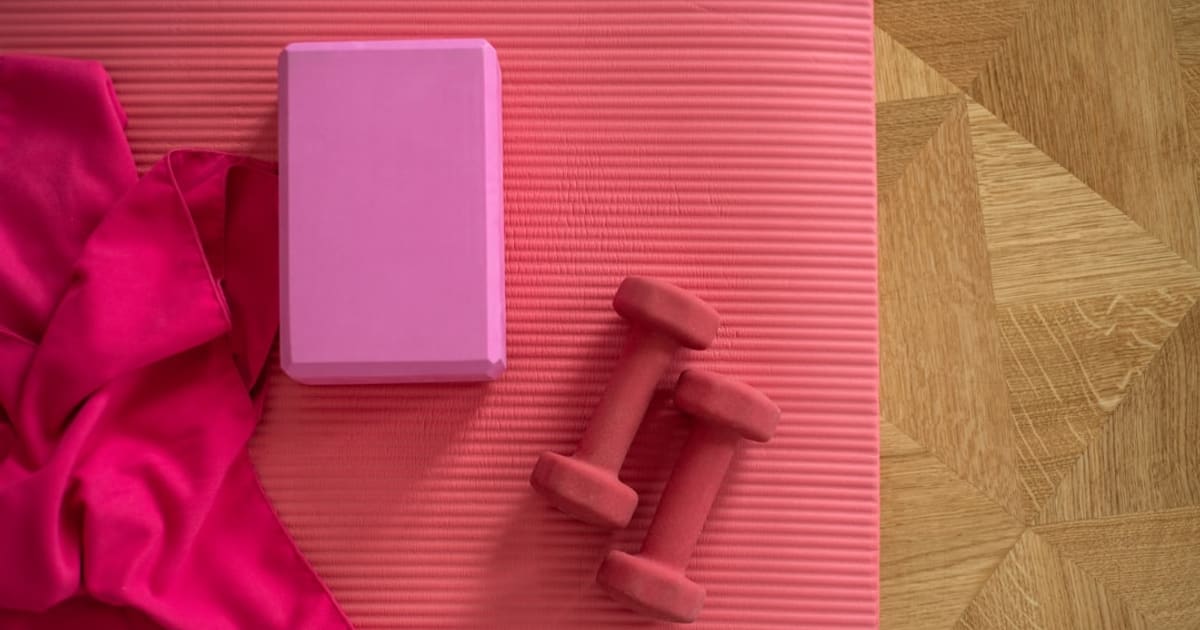
How much does it cost to set up a home gym in 2026: about $58 to start with bands, a rope, and a mat, or $176 for the full seven-item kit. Skip the $600 machines.
Setting up a home gym costs about $58 to start and about $176 to do it right. The $58 version is the three pieces that earn their keep in week one: resistance bands, a jump rope, and a mat. The $176 version adds a pull-up bar, dumbbells, a foam roller, and a shaker bottle, giving a beginner enough variety for a long time. Skip the $600 multi-station machine until you know you will use it.
The honest answer
A complete beginner home gym costs about $176 right now, and a stripped-down three-item version costs about $58:
| Item | Cost |
|---|---|
| Yes4all 40 lb adjustable dumbbells (Yes4All 40lbs Pair + Connector Adjustable Dumbbell Set) | ~$66.57 |
| Resistance bands with handles and door anchor (WHATAFIT Resistance Bands Set with Handles) | ~$27.97 |
| ProSourceFit doorway pull-up bar (ProsourceFit Heavy Duty Doorway Mount Pull Up Bar) | ~$24.99 |
| Foldable TPE yoga mat, 6 mm (Foldable TPE Yoga Mat 6mm) | ~$19.99 |
| Ball-bearing jump rope (Speed Jump Rope with Ball Bearing Swivel) | ~$10 |
| 18-inch firm foam roller (Amazon Basics High-Density Foam Roller 18") | ~$15 |
| 28 oz BlenderBottle shaker (BlenderBottle Classic V2 Shaker Bottle, 28 oz) | ~$10.99 |
| Full kit total | ~$175.51 |
$66.57 + $27.97 + $24.99 + $19.99 + $10 + $15 + $10.99 = about $175.51. The minimum useful kit is the bands, rope, and mat for about $57.96, which is the cleanest "I am starting a home gym" number to quote. Everything in the full tier earns its spot after the routine proves it is real, and none of it requires a corner bigger than six by six feet. The full breakdown lives in the home gym starter kit for the catalog prices and the reasoning behind each pick.
The free path ($0)
You can start training today with nothing:
- Pick four movements: squats (bodyweight), push-ups, a plank, and a brisk walk.
- Do three rounds, three days a week, twenty minutes total.
- Spend nothing.
This will not feel like a "home gym," but it tells you whether the habit itself interests you. Scale the movements to your ability, and check with a clinician first if an injury or health condition makes new exercise a concern. If the routine sticks, move to the budget tier below.
The budget tier (~$58)
If you want the routine to feel like the hobby from day one, buy the three items that earn their keep in week one:
- Resistance bands with handles (~$27.97): WHATAFIT Resistance Bands Set with Handles is the cheapest pulling work you can buy. Rows, face pulls, band-assisted squats, and warm-ups. The set ships with handles and a door anchor, so it doubles as a doorway gym whenever you travel.
- A ball-bearing jump rope (~$10): Speed Jump Rope with Ball Bearing Swivel uses a ball-bearing swivel so the cable spins clean, with aluminum handles that hold up in a gym bag and an adjustable steel cable you trim to your height. Short intervals add cardio without taking over the room.
- A foldable 6 mm mat (~$19.99): Foldable TPE Yoga Mat 6mm protects the floor, the knees, and the downstairs neighbors. Foldable beats rolled: it stands upright behind a door instead of hogging a wall.
That $57.96 is the cleanest entry number. Skip the rest of the kit for the first month and see if the routine sticks. The full kit is detailed in the home gym starter kit.
The full tier (~$176, recommended)
Once you know you are training three days a week, the seven-item kit from the home gym starter kit is the right call. The dumbbells are the upgrade that fixes the "everything is bodyweight" ceiling, and the pull-up bar gives you a consistent place for hangs and pull-ups. The foam roller and shaker bottle are finishing touches that turn a session into a routine.
- Adjustable dumbbells (~$66.57): Yes4All 40lbs Pair + Connector Adjustable Dumbbell Set is the single biggest line item, and the piece you will outgrow last. Spin-lock handles plus plates beat fancy dial-adjustables at this stage: same weight range, a third of the price, nothing electronic to break.
- Resistance bands (~$27.97): WHATAFIT Resistance Bands Set with Handles, the pulling and warm-up workhorse.
- Doorway pull-up bar (~$24.99): ProsourceFit Heavy Duty Doorway Mount Pull Up Bar adds pull-ups, hangs, and band-assisted reps without taking up floor space. Check the doorway dimensions, trim shape, and weight rating before mounting.
- Foldable mat (~$19.99): Foldable TPE Yoga Mat 6mm, the floor protector.
- Jump rope (~$10): Speed Jump Rope with Ball Bearing Swivel, the cardio finisher.
- Firm foam roller (~$15): Amazon Basics High-Density Foam Roller 18" is the 18-inch high-density model, long enough for calves, quads, and upper-back work without filling a closet.
- Shaker bottle (~$10.99): BlenderBottle Classic V2 Shaker Bottle, 28 oz has a rounded base, wire whisk, and a flip cap that keeps the drinking surface covered between sets.
What to skip at the start
- Treadmills and exercise bikes. Useful if you already know you will use one, but an expensive first bet on a new routine. Start with the rope and a walk outside.
- Multi-station "home gyms" and Smith machines. Five hundred dollars of machinery that enables fewer useful movements than a seventy-dollar dumbbell pair.
- Ab gadgets, vibration plates, sauna belts. Leave them out of the first order. None replaces consistent training.
- Supplements, for now. Build the training habit first. If you have a medical or dietary reason to use one, check with a clinician or a registered dietitian.
- Mirrors. Prop your phone against the water bottle and film your sets for free.
The math, again
| Tier | What you get | Cost |
|---|---|---|
| Free | Bodyweight squat, push-up, plank, walk | $0 |
| Budget | Bands + rope + mat | ~$58 |
| Full | All seven items from the starter kit | ~$176 |
| Skip | Treadmill or multi-station machine | $600+ |
For most beginners, the budget tier is the smartest spend for the first month. Once the routine proves it is real, the full tier is the right call. Replace the dumbbells only after you can name the heavier range you actually need.
For the full kit with current prices and the reasoning behind each pick, see the home gym starter kit. For the catalog of similar beginner kits across hobbies, see the starter packs hub.
Frequently asked questions
Is $200 enough to set up a home gym?
Yes, and that is the right place to land for a beginner. The full seven-item kit from the home gym starter pack totals about $175.51 with bands, a mat, a jump rope, a foam roller, a shaker bottle, a pull-up bar, and a pair of adjustable dumbbells. Skip anything that costs more until the routine sticks.
What are the hidden costs of a home gym?
The floor is the easiest cost to miss. Jumping and dropped dumbbells can damage cheap flooring and frustrate downstairs neighbors, so budget about $20 for a 6 mm foldable mat on day one. Bands, a rope, a roller, and a bottle need little maintenance in the first year.
Cheap home gym equipment vs a $600 machine, what is the real difference?
A $67 pair of adjustable dumbbells covers squats, hinges, presses, and rows without taking over the room. Unlike a machine with a fixed path, the same dumbbells work across several movements. A simple routine can carry a beginner for a long time. The expensive machine is a poor first bet on a routine that does not exist yet.
How much space does a home gym actually need?
About 6 by 6 feet: one spare corner, half a garage bay, or a cleared strip of living room. The full kit from the home gym starter pack stores in a closet or under a bed when not in use, and a jump rope is the only piece that needs overhead clearance.
How we work
How we research and review
StarterPacks Editorial Team researches the products and writes the packs. We choose items for a specific starting point, then check the listing before we link to it.
For each linked product, we open the retailer page to check the price and availability, confirm that its Amazon ASIN still resolves to the right product, and compare important claims with manufacturer specs. We do not call an item hands-on tested unless the page explains what was tested.
This guide was last checked on . We revisit pages when products, prices, or advice change. Prices and stock can move after a check, so the live listing is the final word.
Read about the StarterPacks Editorial Team and our standards.